
Fall 2026 Undergraduate Courses
ARAB 1000 - Beginning Arabic I
ARAB 1000 - Beginning Arabic I
Introduction to modern Arabic; concentrates on rapidly developing basic skills in reading, writing, speaking, and understanding. Students with previous Arabic language background must take a placement examination.
ARAB 2010 - Intermediate Arabic I
ARAB 2010 - Intermediate Arabic I
Instructor: Housni Bennis
Mon/Wed/Fri | 9:00 AM - 9:50 AM
ARAB 3010 - Third-Level Arabic I
ARAB 3010 - Third-Level Arabic I

HBRW 1001 - First Year Modern Hebrew I

HBRW 1001 - First Year Modern Hebrew I
This is the first part of a two-semester course, based on the Israeli Ulpan method, as taught at Hebrew University in Jerusalem.
Active participation in class and completion of all assignments are essential for success. While the course is intensive with clear milestones to achieve, I strive to keep the class size small, personal, and engaging. My goal is to create a relaxed environment where students feel comfortable practicing Hebrew and discussing a variety of topics (in Hebrew as much as possible!).
If you already have some background in Hebrew, please take the placement exam. If your knowledge is limited to recognizing the letters or knowing a few basic words, you do not need to take the exam.
HBRW 2010 - Second Year Modern Hebrew I
HBRW 2010 - Second Year Modern Hebrew I
This course is designed for students who have completed one year of Hebrew or have placed into this level through the placement exam. In this course, we will focus on mastering the future tense and engaging in more complex, yet interesting, conversations.
You’ll have the opportunity to deepen your understanding of Hebrew grammar and vocabulary while practicing speaking about a wider range of topics. By the end of the course, you'll be able to participate in more nuanced and dynamic conversations in Hebrew.
As always, active participation and regular completion of assignments are essential to your progress. The course continues to follow the Israeli Ulpan method, encouraging an immersive and interactive learning experience.
Student may not take this class pass/fail or audit.
HBRW 3040 - Third-Level Modern Hebrew I
HBRW 3040 - Third-Level Modern Hebrew I
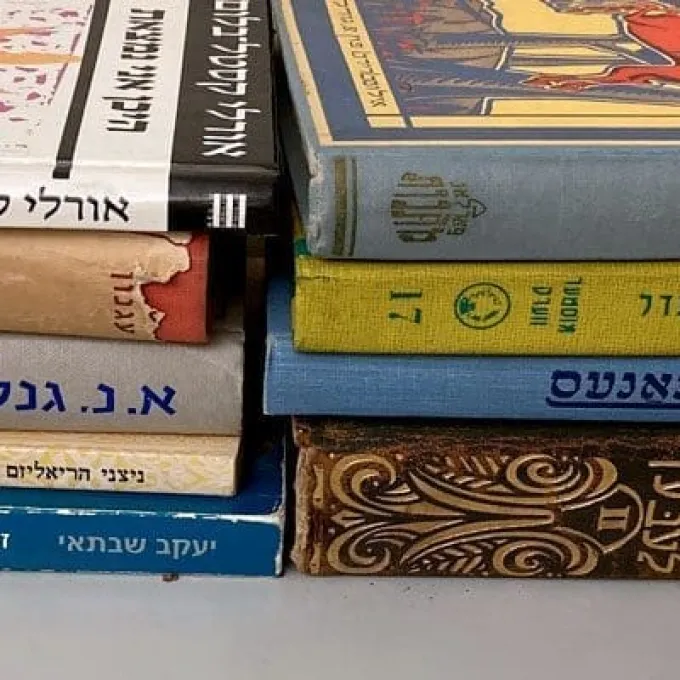
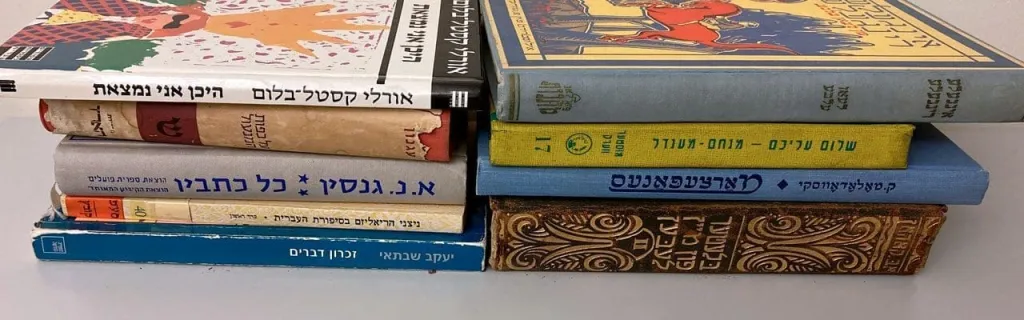
This course is designed for students who have completed second-year Hebrew or have placed into this level through the placement exam. In this semester, we will focus on advancing your conversational skills to handle more complex topics. You'll also tackle more sophisticated texts, including news articles, and refine your ability to engage in deeper conversations in Hebrew.
We’ll review and organize the grammar you’ve learned in previous levels, helping you connect the dots and solidify your foundation. By the end of the semester, you will be more comfortable navigating complex conversations and understanding written Hebrew in a variety of contexts.
Students may not take this class pass/fail or audit.
Instructor: Eyal Tamir
Mon/Wed/Fri | 10:00AM-10:50AM

HBRW 4010 - Fourth-Level Modern Hebrew I

HBRW 4010 - Fourth-Level Modern Hebrew I
Writing intensive course for the advanced student of Hebrew. A growing collection of Israeli artists and writers have embraced the evolving literary medium of the graphic novel. Throughout the semester students will engage in reading and analysis of these new kinds of literary artifacts and develop their understanding of this growing medium. Among others, we will read Eisner Award winner Rutu Modan's engaging novel about an Israeli archaeologist determined to finish her deceased father's expedition; noted Israeli short story author Etgar Keret's humorous take on existence in the afterlife, and Academy Award Nominee Ari Folman's retelling of Anne Frank's diary. These books and their use of visual imagery, alongside their concise Hebrew writing, will enrich students' Hebrew language skills as well as their understanding of contemporary Israel culture and its relationship to history, memory, and identity. PREREQ: Grade of B- or better in Third-Level Modern Hebrew II or placement by examination.
Instructor: Eyal Tamir
Mon/Wed | 11:30AM-12:50PM
HINDI 1030 - Beginning Hindi I
HINDI 1030 - Beginning Hindi I
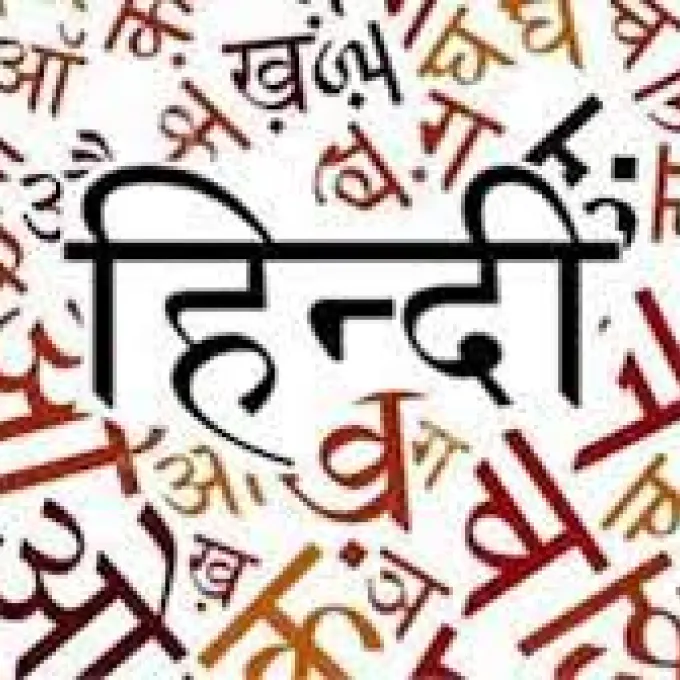
An introduction to the most widely spoken language of South Asia. The aim of this course is to achieve proficiency in spoken comprehension, and to enable the student to acquire the major language skills--listening, speaking, reading, and writing. A standard text, web-based materials, a reader prepared by the instructor, as well as audio materials are used, with equal emphasis on both spoken and written Hindi. The language presented in the course is colloquial. The Hindi (Devanagari) script will be taught as part of the same class. Please note: There are no prerequisites (no previous knowledge of Hindi is required). Students with some previous Hindi language background must take a placement examination.

HINDI 2020 - Intermediate Hindi I

HINDI 2020 - Intermediate Hindi I

HINDI 1050 - Beginning Urdu

HINDI 1050 - Beginning Urdu
Instructor: Toqeer Shah
Mon/Wed/Fri | 4:00 PM - 4:50 PM
HINDI 2050 - Intermediate Urdu I
HINDI 2050 - Intermediate Urdu I
Instructor: Toqeer Shah
Mon/Wed/Fri | 3:00PM-3:50PM
HINDI 3010 - Third-Level Urdu I
HINDI 3010 - Third-Level Urdu I
This course is a continuation of Second Year Urdu II. It has been designed to help students gain advanced proficiency in the oral and written use of Urdu through the reading and discussion of stories from Urdu books, newspaper articles, topics in advanced grammar, and other selected materials. Prerequisite: Grade of B- or better in L73 251 or L73 232A, or placement by examination.

HINDI 3040 - Sacred Architecture of the Indian Subcontinent

HINDI 3040 - Sacred Architecture of the Indian Subcontinent
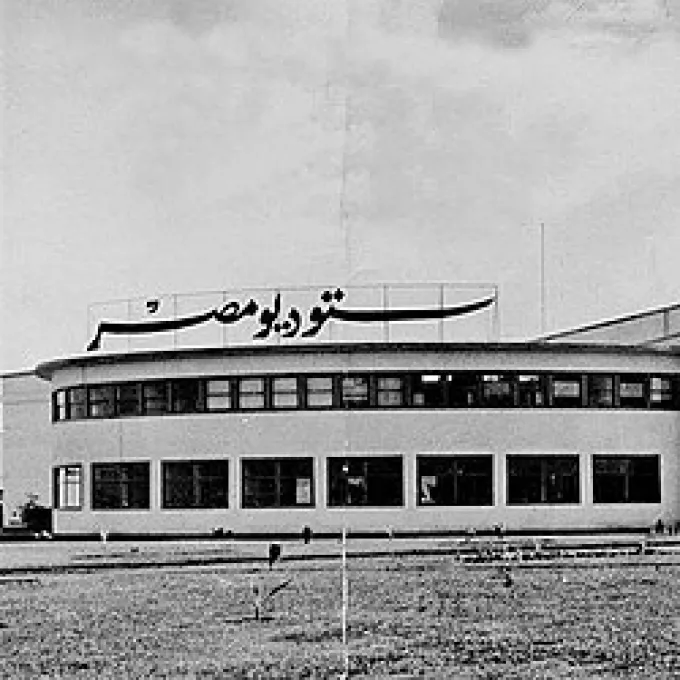
JIMES 1022- First Year Seminar: Arab Cinema
JIMES 1022- First Year Seminar: Arab Cinema
This course offers a critical and chronological exploration of Arab cinema(s), examining the diverse films and filmmaking traditions of Southwest Asia and North Africa. Moving beyond a simple geographical or linguistic label, we will critically engage with the very concept of "Arab Cinema" as a fluid category shaped by shared cultural and political histories. We will analyze the evolution of filmmaking from the silent era to the present, studying key genres, including early melodramas and musicals, influential social realism, and the rise of contemporary commercial and independent cinema. Through this journey, we will encounter the work of major filmmakers and explore how cinematic movements and genres reflect and respond to the region's most pressing intellectual and political questions. The course is designed to equip students with the foundational skills of film studies and formal analysis. In tandem with our viewings, we will engage with foundational texts on film theory and art to develop a robust vocabulary for discussing, critiquing, and writing about films. By the end of the semester, students will not only be proficient in film analysis but will also have a nuanced understanding of how Arab filmmakers have used the medium to comment on issues of identity, modernity, gender, and nationhood.
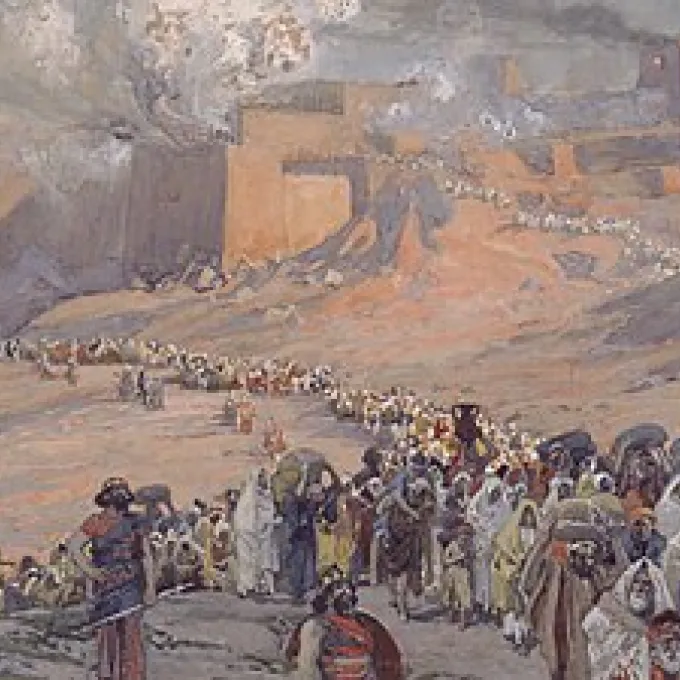
JIMES 2081- Introduction to Jewish Civilization: History and Identity
JIMES 2081- Introduction to Jewish Civilization: History and Identity
We will trace the historical, religious, cultural, literary, and political development of Jews and Judaism, beginning with their origins in biblical antiquity and culminating with pertinent issues of the twenty-first century. Upon completion of the course, the student will have gained an overview of Jewish history, a broad knowledge of Jewish customs, beliefs, literature, and culture, and direct exposure to a broad array of Jewish religious writings.
JIMES 2100- Introduction to Islamic Civilization
JIMES 2100- Introduction to Islamic Civilization
JIMES 2243 - Ampersand: Mediterranean Migration: Dynamics and Consequences on the EU and MENA

JIMES 2243 - Ampersand: Mediterranean Migration: Dynamics and Consequences on the EU and MENA
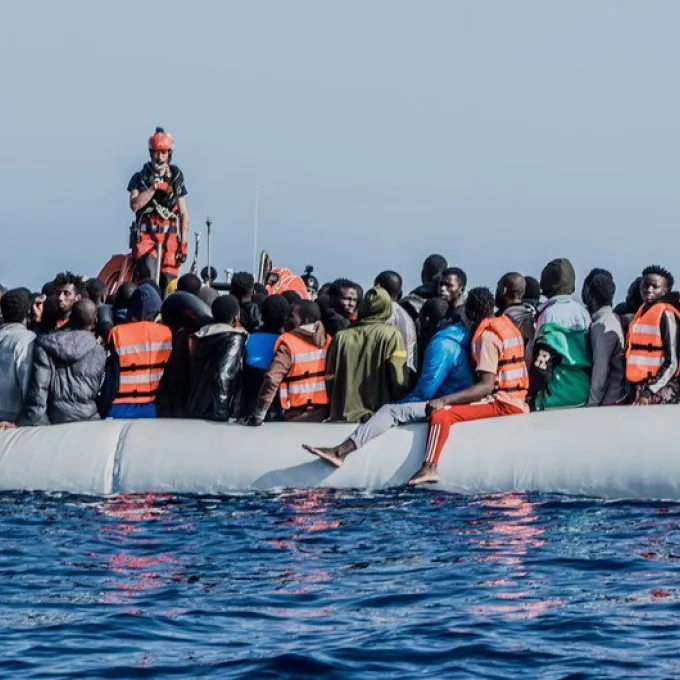
First course in the Ampersand: Safe Asylum program. What are the causes, dynamics and consequences of international population movements? What are the key trends and patterns of migration in the major world region? How does migration trends form both destination and origin societies? What are the effects of migration and increasing ethnic diversity on national identity and politics? How has the Global North elected to manage the forced flow of people from the Global South? We will address these questions among others and survey the critical assessments of the policies whereby the host nations try to manage these flows and discourage mobility. The readings of the first weeks of the Spring semester - based on our main textbook the Age of Migration- will give us a profound understanding of the theories of migration, and empirical research from a variety of disciplines; namely Sociology, Political science, history, anthropology and geography. We will also have an opportunity to hear from some of the leading scholars and Journalists, lawyers specialized in international migration law...We will also watch short documentaries to get a closer sense of cases in the EU and MENA regions. Our End of the Semester project will be exploring success stories of migrants in St. Louis; this could be building on your project in the Fall semester; or we could agree on identifying success stories of refugees/ migrant communities in the state. E.g. the Iraqi, Senegalese, Bosnian communities. Besides the planned travel to Konstanz, Germany to get a closer look at the public-civic interaction in facilitating refugee incorporation, we will discuss our planned visits to Morocco as one of the main key crossing border states linking both sides of the Mediterranean.

JIMES 3101 - The Problem of Evil: The Holocaust and Other Horrors

JIMES 3101 - The Problem of Evil: The Holocaust and Other Horrors
The question of how God can allow evil to occur to the righteous or innocent people has been a perennial dilemma in religion and philosophy. We study the classic statement of the problem in the biblical book of Job, the ancient Near Eastern literature on which Job is based, and traditional Jewish and Christian interpretation of Job. We study the major approached to the problem of evil in Western philosophical and religious thought.
Instructor: Pamela Barmash
Mon/Wed 11:30AM-12:50PM

JIMES 3145 - The Body as Text: The Jewish Body in Cultural, Medical, and Spiritual Contexts

JIMES 3145 - The Body as Text: The Jewish Body in Cultural, Medical, and Spiritual Contexts
What is a Jew? Though Jews have long been termed “the people of the book,” that is, a religious and cultural group defined by its textual traditions and spiritual practices, Jews are, above all, people. And people have bodies. As a means of bringing together the textual and the bodily, this course will take an embodied approach to Jewish history. Stretching from antiquity to the present, we will consider the relationship between the text and the body, between the Jewish community and the embodied individual, and the ways in which Jewish bodies have been classed, gendered, racialized, and marked as other in a variety of settings and by a variety of actors. Studying the body invites us to consider the intersections between biology, history, heritage, faith, and identity.
Throughout the semester, we will look at texts from a wide variety of disciplines, including history, literary studies, religious studies, social criticism, disability studies, gender and sexual studies, as well as films, images, and other representations that will help us understand the Jewish experience as a bodily phenomenon. Understanding the Jewish body will also serve as a tool for understanding other bodies—variously classed, raced, and gendered—and seeing all bodies as human and connected.
As a writing intensive course, this process will work two ways. Together, we will encounter readings that consider the relationship between body and text, but we will also endeavor on the act of creating our own texts that consider the relationship between body and word.
Instructor: Erin Faigin
Tue/Thu | 2:30 PM - 3:50 PM
.

JIMES 3330 - Zionism and its Critics

JIMES 3330 - Zionism and its Critics
Zionism’s advocates hail it as the national liberation movement of the Jewish people. Today, its critics deride it as racist and settler colonialist. Among Zionism’s primary goals, from its inception, was to solve the problem of antisemitism. Today, many consider anti-Zionism to be the newest incarnation of Judeophobia. This course will ask what Zionism has been according to both the thinkers and political leaders who drew up its practical and theoretical blueprints, as well as Zionism’s detractors—both Jewish and not Jewish—who have opposed it on political, ethical, and theological grounds. Included among the major questions we will ask will be: Was Zionism only or always in favor of the creation of a Jewish state? Was it a secular movement, a religious one, or something else altogether? What have been the most resonant critiques of Zionism? To what extent does Zionism play a role in the modern state of Israel?
Instructor: Judah Isseroff
Mon/Wed | 10:00 AM - 11:20 AM
JIMES 3770 - History of Slavery in the Middle East
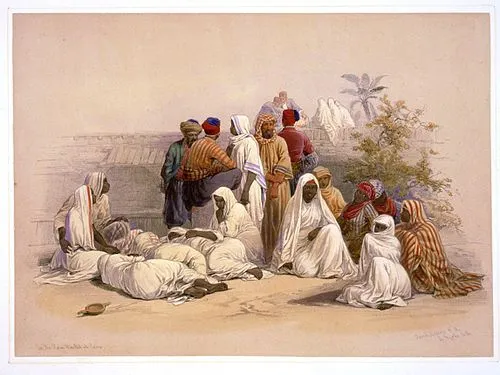
JIMES 3770 - History of Slavery in the Middle East
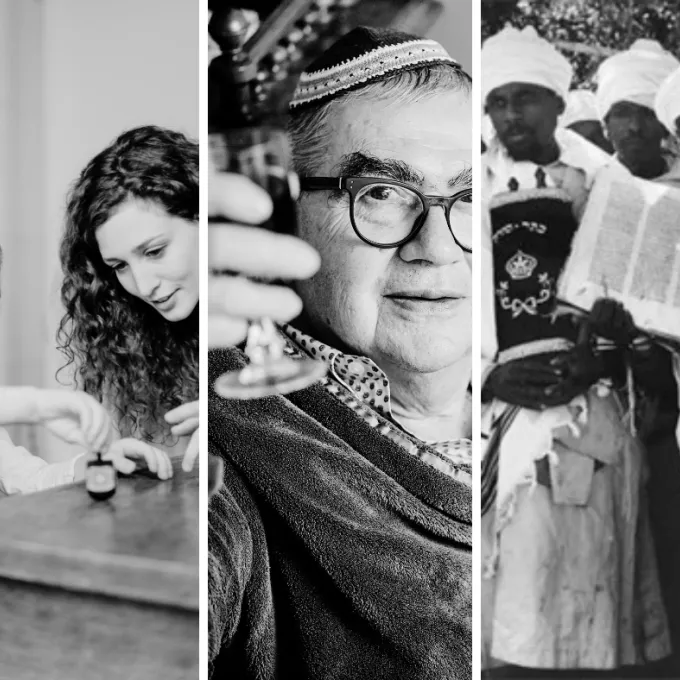
JIMES 3870 - Topics in Jewish Studies: Judaism and Race
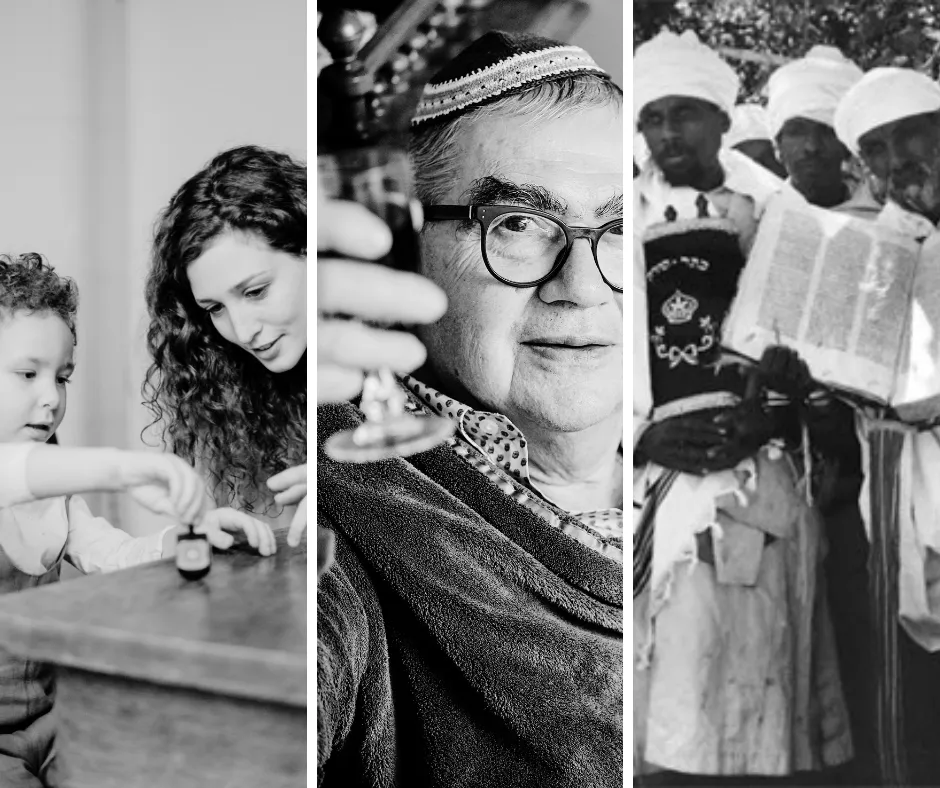
JIMES 3870 - Topics in Jewish Studies: Judaism and Race
JIMES 4020 - Jerusalem, the Holy City
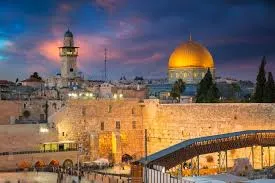
JIMES 4020 - Jerusalem, the Holy City
We will examine the role Jerusalem has played in three religious traditions — Judaism, Christianity, and Islam -- through a study of archaeology, history, literature, politics and theology, beginning with biblical antiquity and culminating with pertinent issues of the twenty-first century. This is the capstone course for Jewish, Islamic, and Middle Eastern Studies, and priority in enrollment is for Arabic, Hebrew, and JIMES majors in their senior year. Others may enroll only with permission of the instructor.
JIMES 4043 - Race and Ethnicity in the Middle East and North Africa
JIMES 4043 - Race and Ethnicity in the Middle East and North Africa
Most accurate listings will be found on Workday.
Reach out with questions to Hannah Ryan at rhannah@wustl.edu.