
Spring 2026 Undergraduate Courses

First-Year Seminar: The Persian Gulf/Arabian Peninsula

JIMES 1020-01 - First-Year Seminar: The Persian Gulf/Arabian Peninsula

Introduction to Jewish Civilization: History and Identity

JIMES 2081-1 - Introduction to Jewish Civilization: History and Identity
The anthropologist Clifford Geertz once famously invoked Max Weber in writing that man is an animal suspended in webs of significance he himself has spun. I take culture to be those webs. The main goal of this course-designed as an introduction to Jewish history, culture, and society-will be to investigate the webs of significance produced by Jewish societies and individuals, in a select number of historical periods, both as responses to historical circumstances and as expressions of Jewish identity. Over the course of the semester we will focus on the following historical settings: 7th century BCE Judah and the Babylonian exile; pre-Islamic Palestine and Babylonia (the period of the Mishnah and the Talmud); Europe in the period of the Crusades; Islamic and Christian Spain; Europe in the 18th and 19th centuries; North America in the 20th century; and the modern State of Israel. For each period we will investigate the social and political conditions of Jewish life; identify the major texts that Jews possessed, studied, and produced; determine the non-Jewish influences on their attitudes and aspirations; and the explore the efforts that Jews made to define what it meant to be part of a Jewish collective.
Instructor: Judah Isseroff
Tue/Thu | 1:00 PM - 2:20 PM
Islamic Religion: An Introduction
JIMES 2240 - Islamic Religion: An Introduction
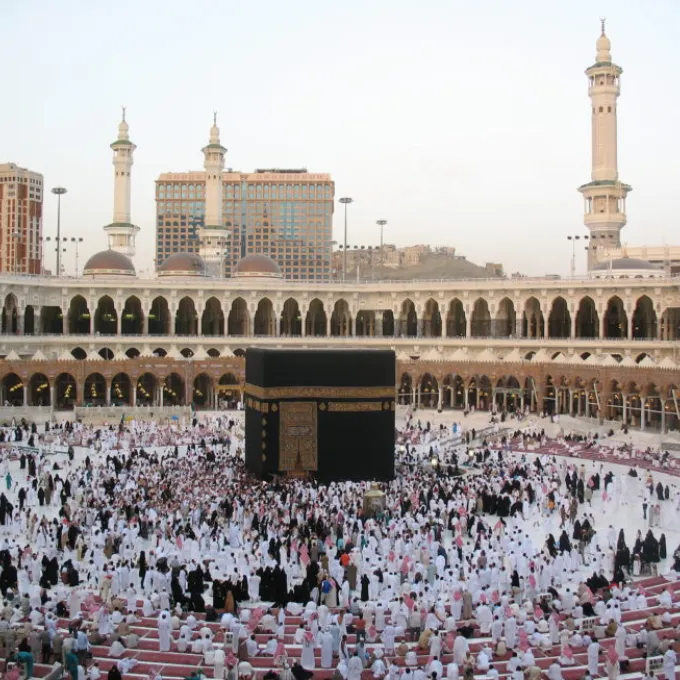
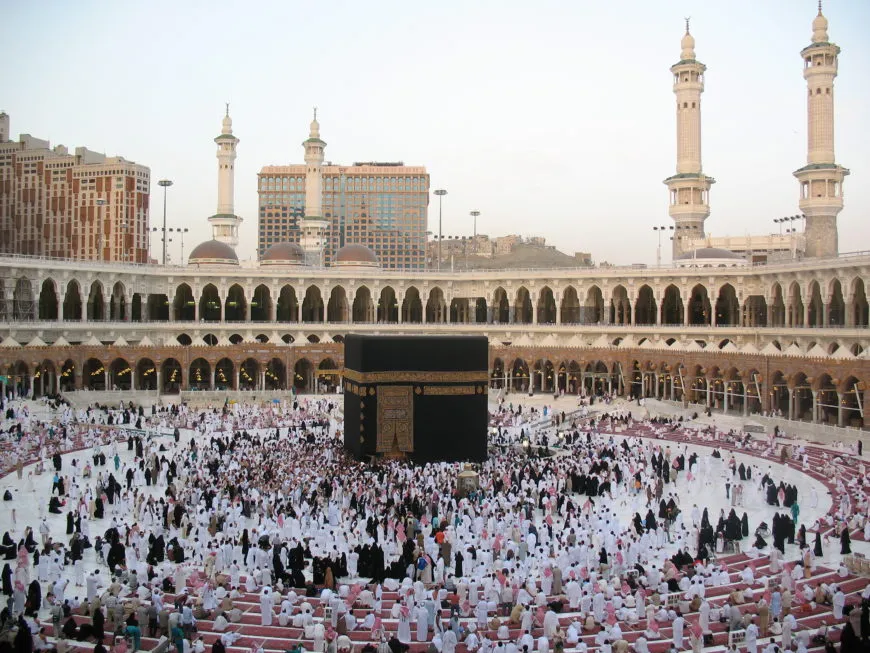
Survey of the development of Islamic practice and thought from the emergence of Islam in early seventh century CE to the present. Topics include the foundational teachings of the Prophet Muhammad, the establishment and expansion of Islam as a monotheistic confession, key theological and mystical developments, the diversification of Islamic jurisprudence, diversity of pious practices, “high" and "popular” piety, the impact of colonialism and modernization, and the role of Islam in current global contexts. Through a combination of historical analysis and the study of primary sources, students will gain a deeper understanding of the dynamic and enduring nature of the Islam as a religious tradition. This course will engage the following literacies: critical and Interpretive skills; Intercultural and global fluency; historical and social understanding.
Instructor: Hayrettin Yucesoy
Mon/Wed | 11:30 AM - 12:50 PM
Ampersand: Migration Policies and Colonialism: Refugee Resettlement and Integration
JIMES 2242-01 - Ampersand: Migration Policies and Colonialism: Refugee Resettlement and Integration
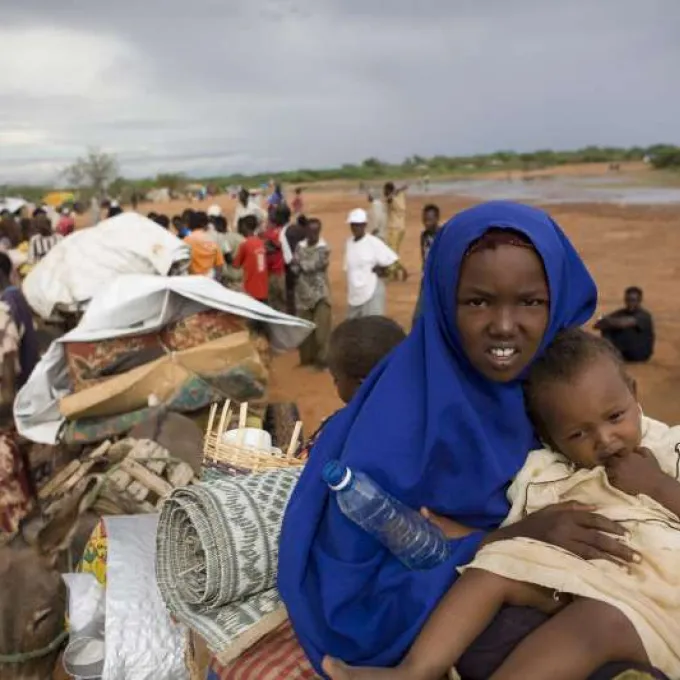
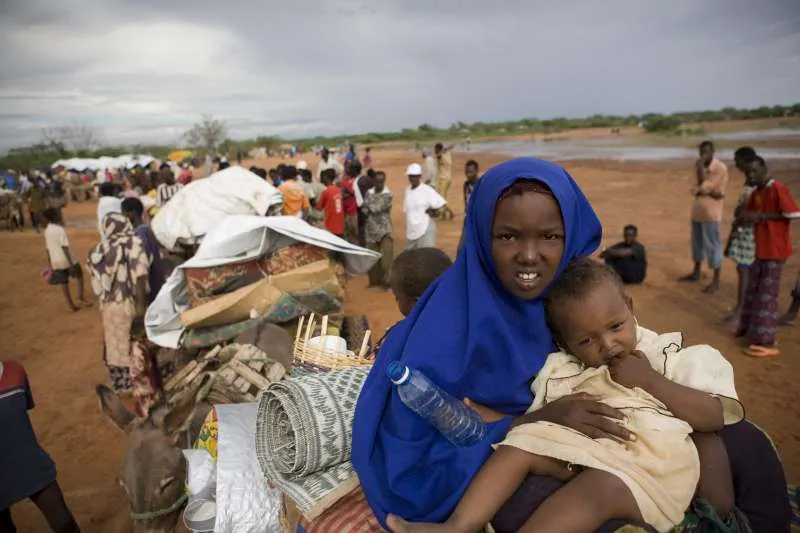
This Course will continue our investigation of the Dynamics of Migration in the MENA and African countries primarily and re-orient the discussions towards a/the much-overlooked cause of migration: Colonialism. To achieve genuine refugee/ Migrant oriented reform policies, the Global North needs to reconcile with its colonial past. Towards this end, we will highlight how the history of Migration is deeply entangled with colonialism. Our readings-based discussions will focus on analyzing how colonial logics continue to shape the dynamics of migration as well as fuel the growing Xenophobia and Anti-migration rhetoric in the Global North towards intercontinental human mobility. To understand the enduring legacies of colonialism on the contemporary politics of migration, our discussions will argue the premise that colonial histories should be central to migration studies today for there to be real reform in refugee, asylum, and migrant policies. We will explore a wide range of inspiring and challenging perspectives on migration and learn what postcolonial and decolonial scholarships can offer us studying international migration today. We will address these areas through our weekly readings of Migration Studies and Colonialism as a primary source; we will also survey a selection of articles as a secondary source. To supplement the readings, we will watch short documentaries addressing the topic as well as hear from activists, journalists, and specialists in the field. Course is for first-year, non-transfer students only.
Instructor: Younasse Tarbouni
Mon/Wed | 11:30 AM - 12:50 PM

God in Jewish, Christian, and Islamic Perspectives

JIMES 3037-01 - God in Jewish, Christian, and Islamic Perspectives
Does God exist? Does God not exist? We will examine the arguments for and against the existence of God. We start with how the concept of a single universal God developed in antiquity in the context of the worship of many gods. Then we explore traditional and contemporary Jewish, Christian, and Islamic perspectives on the nature of God, human freedom and responsibility, miracles, and human suffering. We examine Christian defenses of the Trinity and Jewish and Muslim criticism in the Middle Ages. Then we delve into recent debates for and against the existence of God, plus contemporary viewpoints and questions, such as whether there can be religion without God, and why would anyone want such a thing?
Instructor: Pamela Barmash
Mon/Wed | 10:00 AM - 11:20 AM
A Rainbow Thread: A History of Queer Identities in Judaism and Islam
JIMES 3184-02 - A Rainbow Thread: A History of Queer Identities in Judaism and Islam
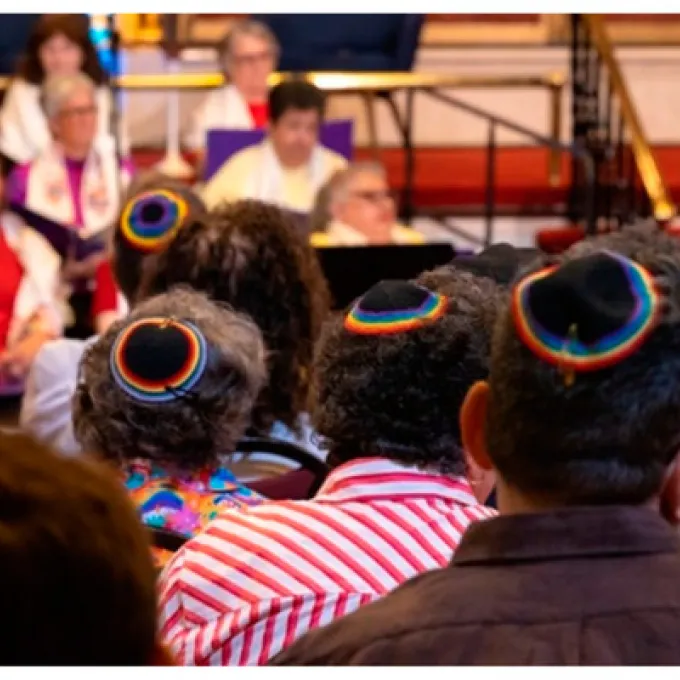
The notion that gender and sexuality minorities are forbidden or simply do not exist within traditional judaism and islamic traditions is an assumption that has been questioned in recent years. For these scholars and activists, it is not up for debate whether someone can be queer and Jewish or queer and Muslim. Therefore, what follows is an exploration of how to resurrect gender non-conforming interpretations of religious texts and rediscover the spectrum of gender and sexual identities that have always existed within Judaism and Islam. The course is divided into three parts. First, we will examine the religious textual traditions of both faiths to establish the space for queer identities in both the Qur'an and Torah as well as the traditions of Hadith and Talmud. Second, we will study key communities such as medieval Iberia, the Ottoman Mediterranean, Hasidic communities in Eastern Europe, Qajar Iran, and the colonial empires of the Middle East. This survey will show the influence European christian dominance had (or did not have) on the evolution of jewish and islamic gender and sexual norms from pre-modern times through the 20th century. Finally, we will examine the 21st century by reading the memoirs of trans muslims and trans Jews in order to analyze the ways in which contemporary queer jewish and islamic individuals frame their experiences and tell their stories of faith with agency, in their own words.
Instructor: Sara Jay
Mon | 4:00 PM - 6:50 PM
Jews and Jewishness in Black American Thought
JIMES 3231-01 - Jews and Jewishness in Black American Thought
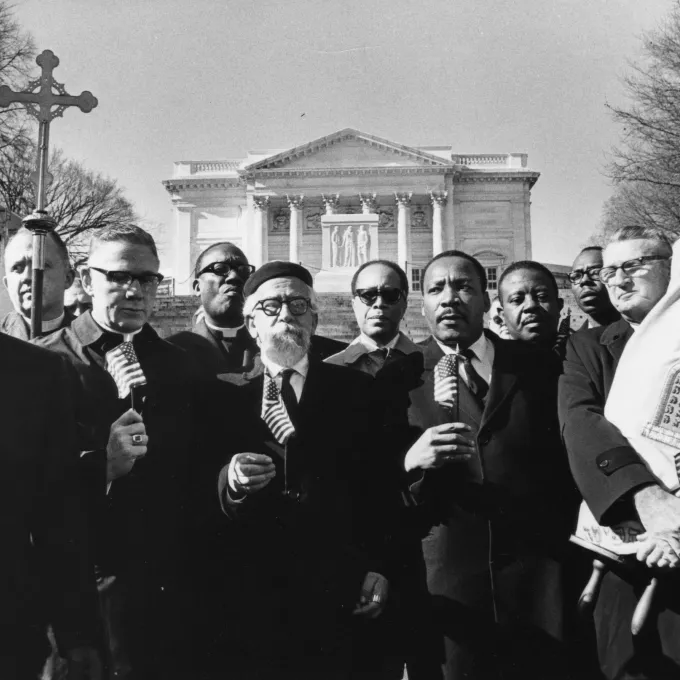
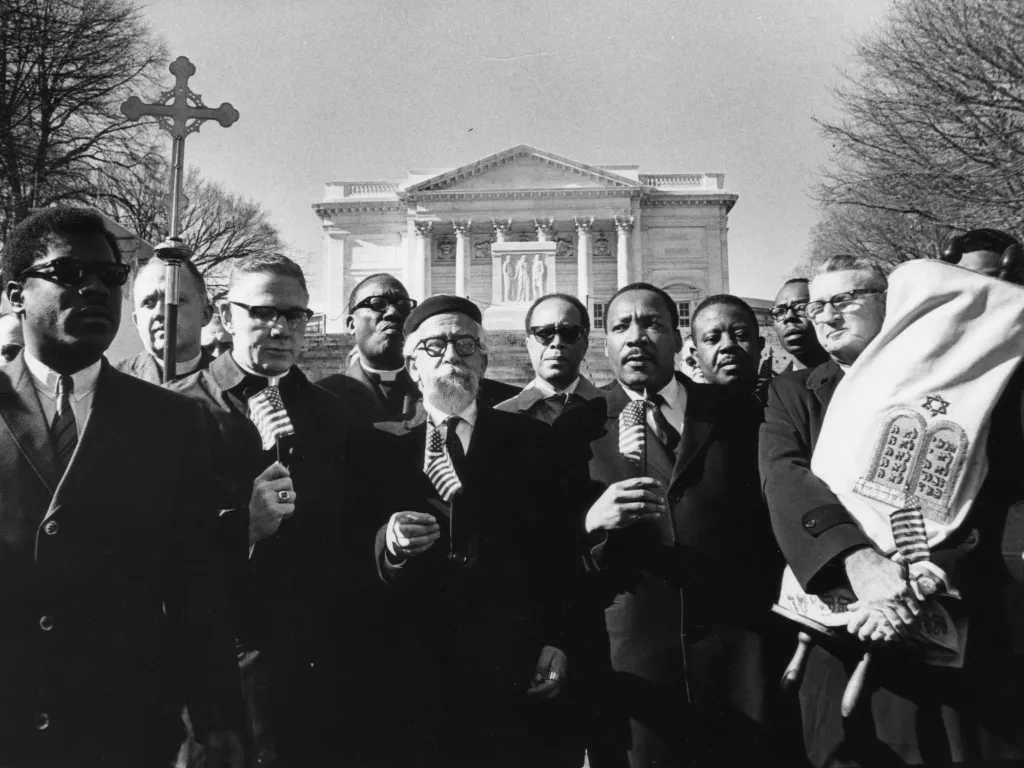
The history of what has been called Black-Jewish relations in the United States has a rich and contested history. The stories told feature solidarity, controversy, and betrayal. This course will look at that history by attending to the role of Jews and Judaism in Black thought. How has Jewishness featured in the self-understanding of Black writers? Have Jews been regarded as allies or adversaries, role models or competitors? What role have Jewish texts or narrative paradigms played in Black religion? What have Black writers made of the Jewish project of national liberation?
Instructor: Judah Isseroff
Tue/Thu | 10:00 AM - 11:20 AM
Modern Islam
JIMES 3301-1 - Modern Islam
What does it mean to be modern? Should a religious tradition adapt in response to modern technological, political, economic, or social change? If so, how? These are just some of the questions that Muslim thinkers and believers have asked themselves since the 18th and 19th centuries, as they have engaged the global transformations commonly known as 'modernity'. Our examination of modern Islam in all its diversity considers a wide range of themes. These can include: new approaches to reading the Qur'an and Scripture; the impact of material goods and modern technologies; women's religious authority; Islamic law in the courtroom and nation-state; democracy, politics, and social activism; traditionalism and environmentalism; as well as the often fraught debates around the emergence of groups such as the Islamic State in Iraq and al-Sham (ISIS). The course's geographical center of gravity is the Middle East, and we also consider other key regions including sub-Saharan Africa and the United States. By the end of the course, students will have gained an understanding of key Muslim responses to the global transformations commonly known as modernity. They will acquire the skills to critically analyze widely used concepts such as 'tradition' to explore in depth both the work of Muslim intellectuals and the everyday experiences of ordinary believers in modern times. Pre-Requisites: Introduction to Islamic Civilization preferred but not required.
Instructor: David Warren
Mon/Wed | 2:30 PM - 3:50 PM
Fantasy, Horror, Sci-Fi: Genre-Fiction in Arabic Literature
JIMES 3520 - Fantasy, Horror, Sci-Fi: Genre-Fiction in Arabic Literature
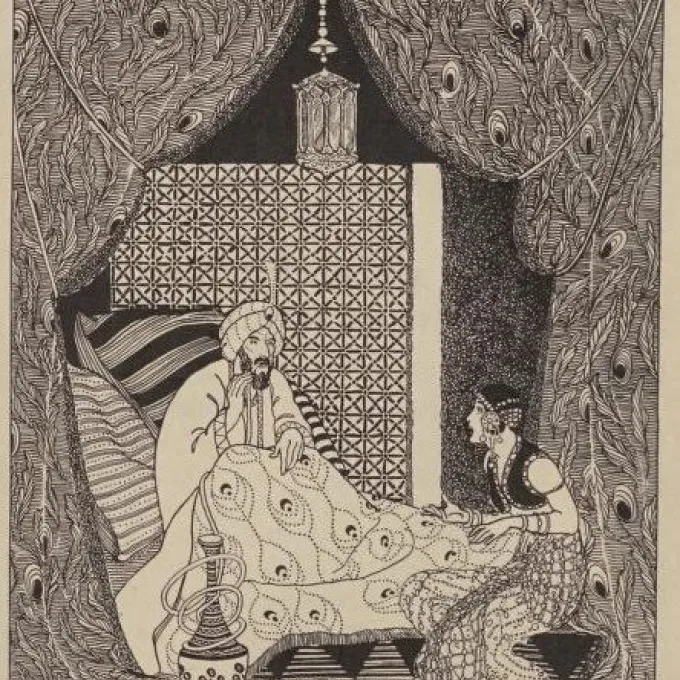
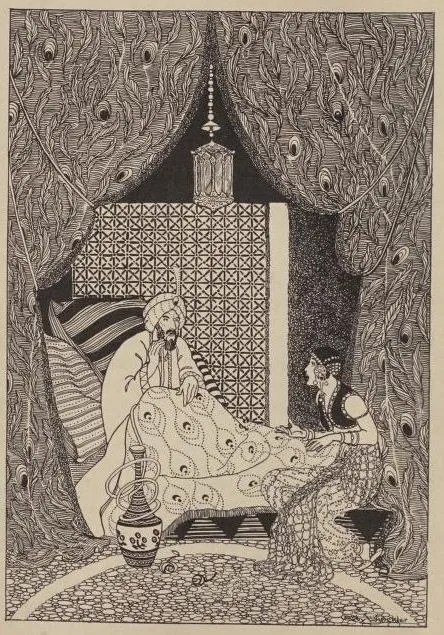
Genre is a category, or to use Aristotle's term, a species. It is a category of literature, arts, music, and other forms of composition, to classify works of shared conventions, practices, and aesthetics. A typical example would be poetry. Subgenre is a single division of a given genre. In this example, epic poetry, the sonnet, haiku are subgenres of poetry. But who gets to decide what is genre, subgenre, and how? These would be some of the main questions we will address in this course. Genre theory can teach us a fascinating history of how various cultures imagine their forms of creative expression. The development of genres and subgenres reveal complex histories on who has the power to define and redefine creative expression. For example, the novel, now a dominant and prestigious global literary genre, was once considered an inferior and working-class genre in Europe over a century ago. The novel genre then developed into numerous subgenres, which are today placed under one large umbrella that is genre-fiction, such as sci-fi, fantasy, horror, gothic, mystery etc.. However, the borders between these subgenres and the larger genre itself are always contested and reformulated. Through the history of genre and subgenre, we get to learn about literary taste and literary criticism, and whose definitions and conventions have changed the course of literature and the arts, and for what reason. The dominance of the historical novel today, for example, is attributed to larger phenomenon such as decolonization, feminism, and anti-racism. The sociopolitical urge to utilize fiction to address larger issues has not only boosted the impact of the historical novel but elevated it to become a common form of the genre itself. Within this grand history, Arabic literature has a complex and rich story to tell about genre and subgenre. The most obvious example here, which will be our entry point in this course, is 1001 Nights (also known as The Nights, or The Arabian Nights). This multi-volumed masterpiece has influenced fiction writers across the globe, especially in the past three centuries as the novel began to formulate into a modern genre. It is an exceptional work where we see a cosmology of subgenres of storytelling, narrative, but also of poetry, and in some editions, illustration and drawing, as well as translation. The Nights is often seen as the first hybrid work of literature where subgenres and forms co-exist but also blur and converge. This dynamic, revolutionary, and mobile nature of The Nights expresses the meeting of various cultures, experiences, and traditions of storytelling during the Abbasid empire. Today, it remains ever more relevant and inspiring in a cosmopolitan world. The question and history of sub/genre, however, will guide us through an exploration of modern and contemporary Arabic literature. We will get to engage with these texts thematically, stylistically, and intellectually. The aesthetic choices made in literature are never isolated from the intellectual, political, and sociohistorical contexts of a given text. Through the assigned texts and artworks, we will also learn about colonization, gender, imperialism, class, migration, ecology, among other pressing topics. No knowledge of Arabic is necessary; all readings in English translation.
Instructor: Mona Kareem Husain
Tue/Thu | 11:30 AM - 12:50 PM
Travelers, Tricksters, and Storytellers: Jewish Travel Narratives and Autobiographies
JIMES 3590 - Travelers, Tricksters, and Storytellers: Jewish Travel Narratives and Autobiographies
Imagining the East: The History & Politics of Middle East Studies
JIMES 3820-01 - Imagining the East: The History & Politics of Middle East Studies
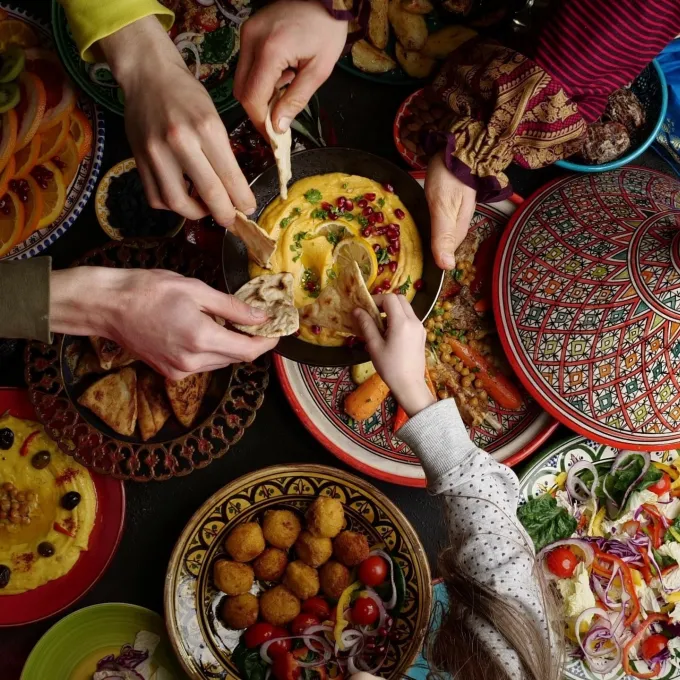
Of Dishes, Taste, and Class: History of Food in the Middle East

JIMES 3740 - Of Dishes, Taste, and Class: History of Food in the Middle East
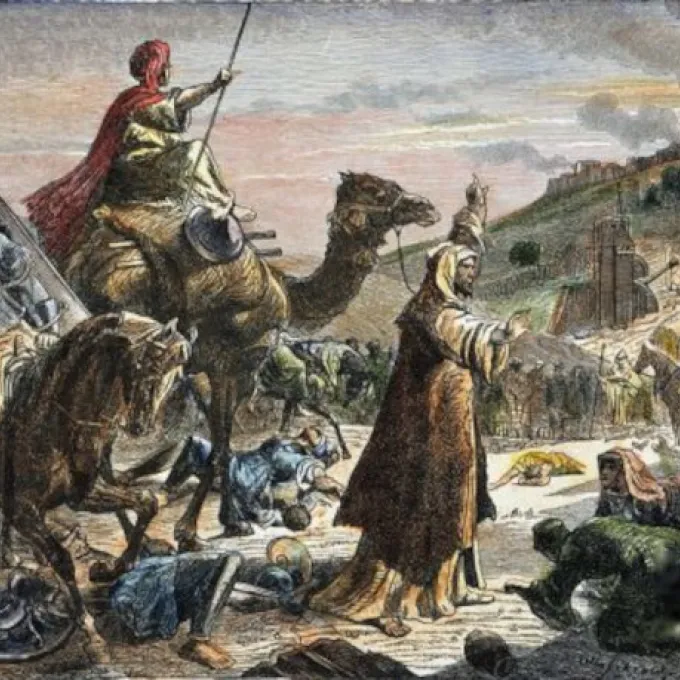
History of the Jews in Islamic Lands
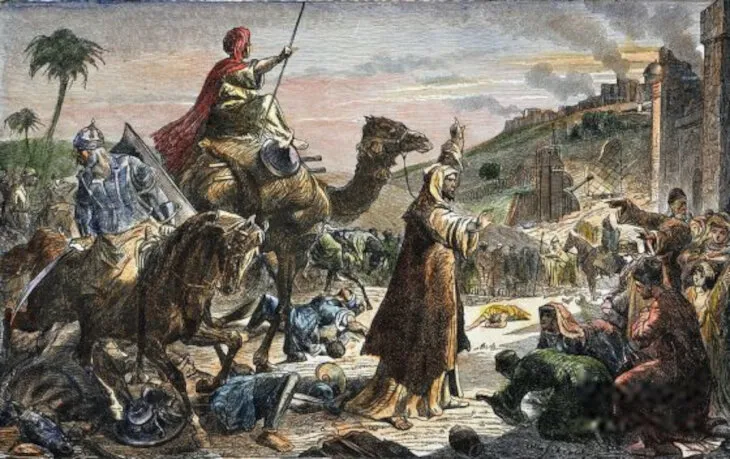
HISTORY 3094 - History of the Jews in Islamic Lands
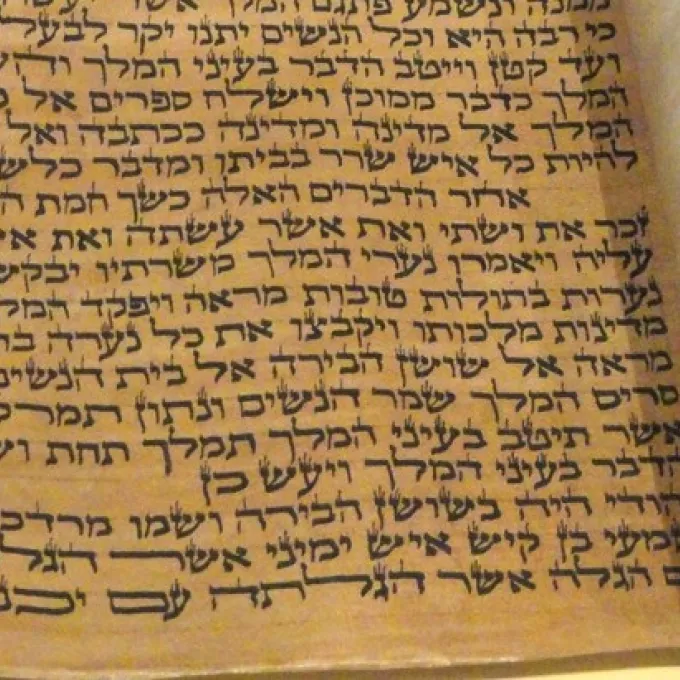
Introduction to the Hebrew Bible/Old Testament
REST 3000-01 - Introduction to the Hebrew Bible/Old Testament
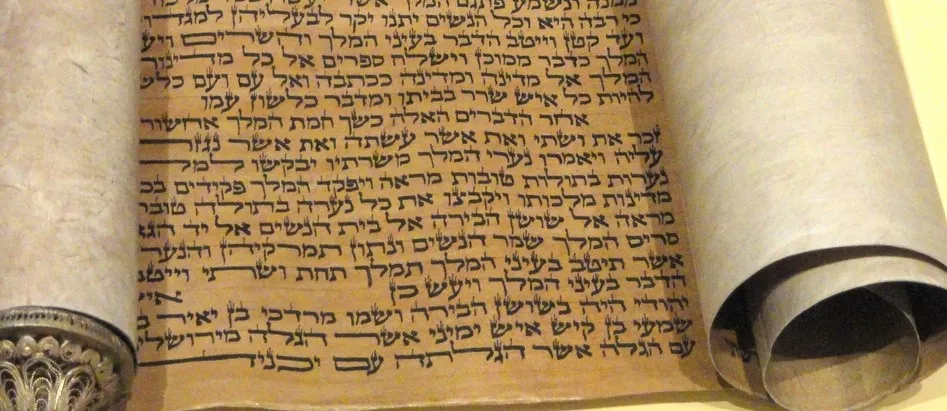
The Hebrew Bible is the foundational text of Judaism and Christianity. It is a complex compilation of materials, reflecting great diversity in ideology, literary expression, social and political circumstances, and theology. In this course, we shall read a significant amount of the Bible in English translation. We shall study the various approaches that have been taken by scholars in trying to understand the Bible in its historical context. We shall also study how the Bible was traditionally interpreted by Jews and Christians during the last two thousand years.
Instructor: Pamela Barmash
Mon/Wed | 11:30 AM - 12:50 PM
Jews and American Capitalism
JIMES 3042-01 - Jews and American Capitalism
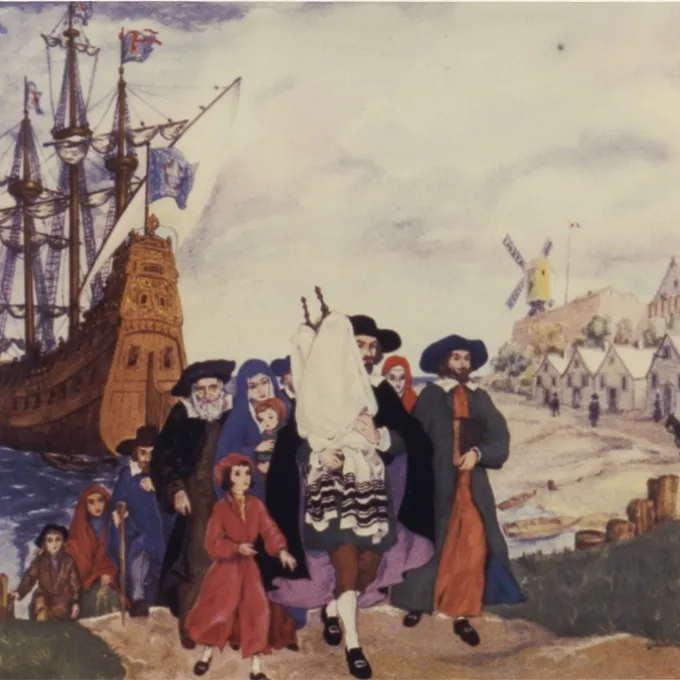
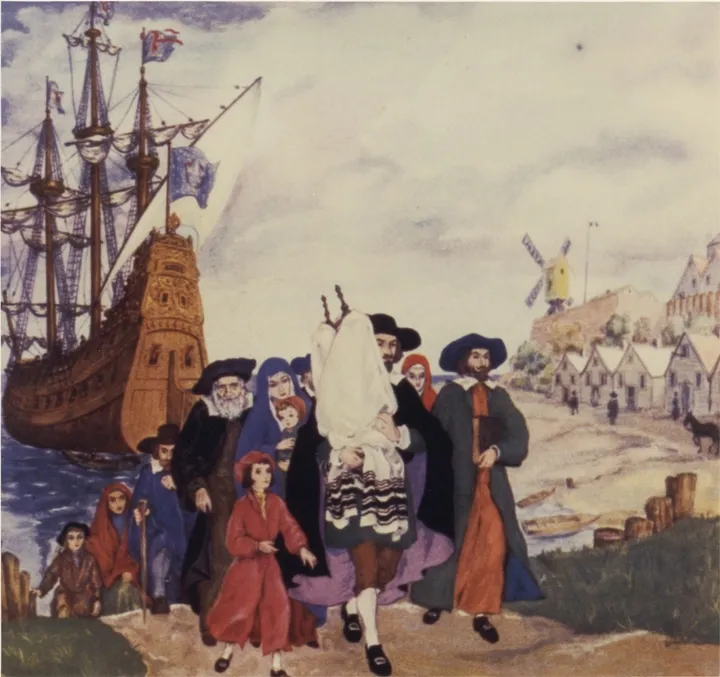
This course is designed to explore the relationship between Jewish immigrants and American capitalism. Reaching before and beyond their settlement in North America, the economic position of Jews has subjected them to suspicion, restriction, and even persecution. In the United States, freedom of religion was coupled with freedom of the marketplace. As insider/outsiders, American Jews not only played an important role in the development of American capitalism, but they also served as some of the most vocal critics of American capitalism. This course considers follows the development of capitalism from theoretical framework to government policy and beyond, with special attention paid to the relationship between capitalism and cultural production in the United States.
Instructor: Erin Faigin
Tue/Thu | 2:30 PM - 3:50 PM
Jewish Political Thought
RELPOL 2310 - Jewish Political Thought
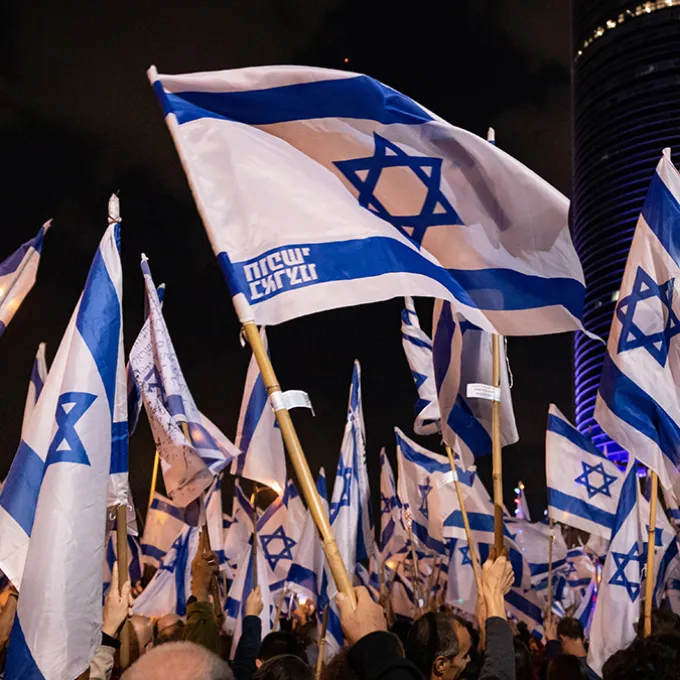
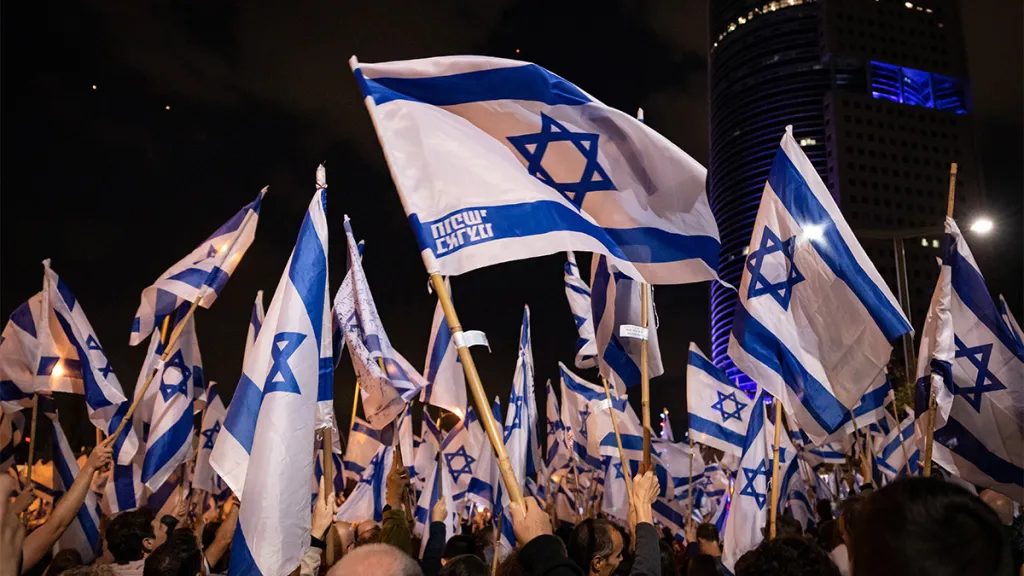
The question of Jewish belonging in the Christian West has played a defining role in the formation of the modern state, and the afterlives of the Jewish question in Europe, America, and Israel continue to have significant influence on how political life is understood and evaluated. This course begins with classical Jewish sources on politics--including the nature of authority, national belonging, and territory--and then moves to a consideration of several crucial modern Jewish thinkers likely including Spinoza, Marx, and Arendt. The course will consistently consider topical contemporary questions about liberal democracy, totalitarianism, nationalism, Zionism, race, and secularism.
Instructor: Judah Isseroff
Mon/Wed | 3:00 PM - 4:20 PM
Beginning Arabic II
ARAB 1001-01 - Beginning Arabic II
Intermediate Arabic II
ARAB 2011-01 - Intermediate Arabic II
Continuation of Intermediate Arabic I. Study of grammar of literary Arabic and reading of annotated classical and modern prose texts; elementary composition; practice in speaking and comprehending modern Arabic.
Instructor: Housni Bennis
Mon/Wed/Fri | 9:00 AM - 9:50 AM
Third-Level Arabic II
ARAB 3011 - Third-Level Arabic II
Fourth-Level Arabic: Contemporary Literature
ARAB 4061-01 - Fourth-Level Arabic: Contemporary Literature
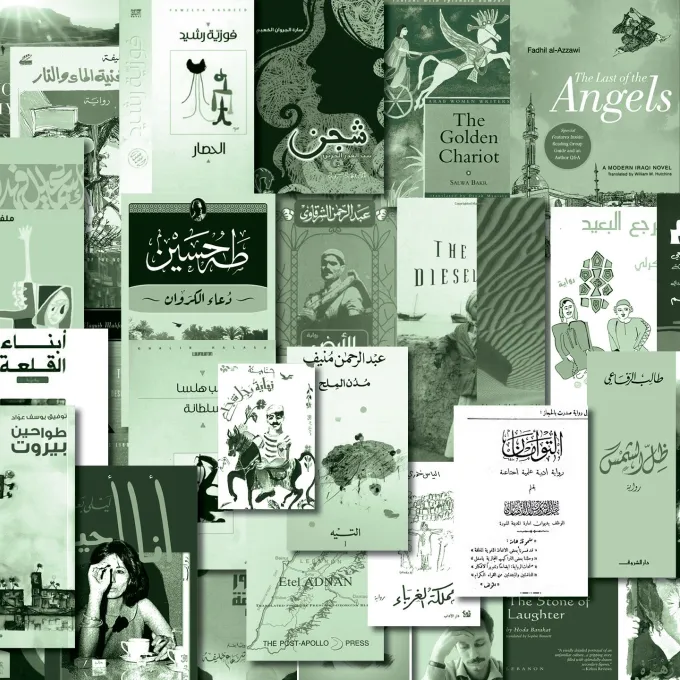
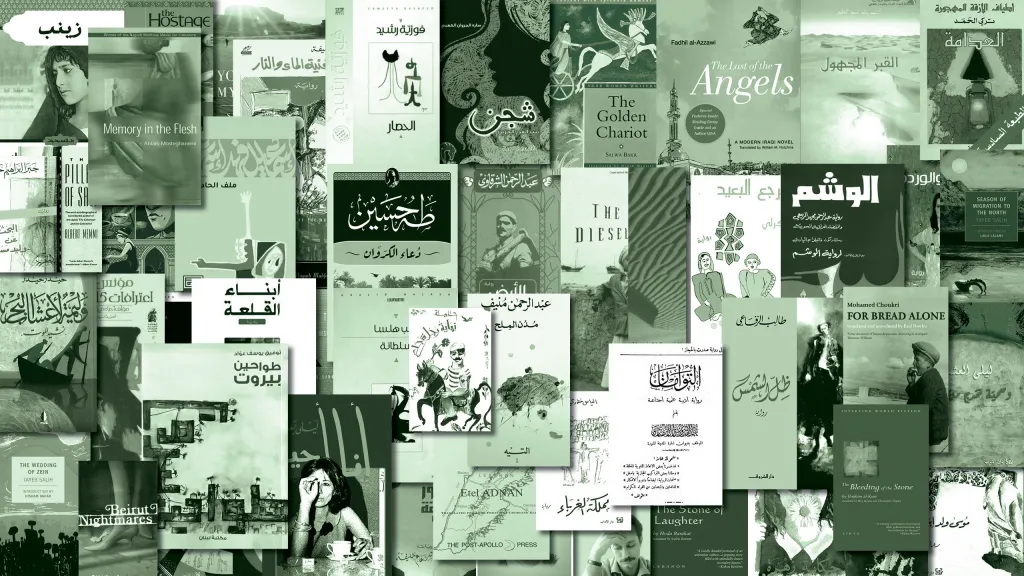
This course will focus on close-reading of texts written by contemporary Arab novelists and intellectuals. The course will emphasize: (1) increasing reading speed; (2) increasing depth of reading comprehension; (3) strengthening grammar; (4) building Arabic to English translation skills.
Instructor: David Warren
Mon/Wed | 10:00 AM - 11:20 AM

First Year Modern Hebrew II

HBRW 1002 - First Year Modern Hebrew II
Sections:
Second Year Modern Hebrew II
HBRW 2013-01 - Second Year Modern Hebrew II
Third-Level Modern Hebrew II
HBRW 3041 - Third-Level Modern Hebrew II
Designed to develop communicative skills, this course provides opportunities for students to practice the art of speaking and writing correctly, clearly, and effectively. Includes reading and discussion of selected short stories from modern Hebrew literature as well as articles from current Hebrew newspapers. Class discussions deal with literary topics as well as contemporary social and political issues related to life and institutions in Israel. PREREQ: Grade of B- or better in L74 320D Third-Level Modern Hebrew I or placement by examination. Please note: L75 522D is intended for graduate students only.
Instructor: Eyal Tamir
Mon/Wed/Fri | 1:00 PM - 1:50 PM

Fourth-Level Modern Hebrew II

HBRW 4030 - Fourth-Level Modern Hebrew II
Beginning Hindi II
HINDI 1031 - Beginning Hindi II

Beginning Urdu II

HINDI 1032 - Beginning Urdu II
Beginning Urdu II is the continuation of the 130 Beginning Urdu course, devoted to the further development of basic skills - listening, speaking, reading and writing - with a particular emphasis on the acquisition of speaking proficiency. Training in spoken Urdu emphasizes speaking and listening at normal speed with near native pronunciation and intonation. The course meets 3 hours per week. Those who have not taken the sequence of Urdu courses offered by the department may be able to join this course, if they have obtained prior knowledge of the language by some other means (see instructor for placement). The course is tailored to address students' interests not only in the language, but also in the culture it is rooted in. Along with texts for script and grammar, new and additional materials will be constantly introduced, especially as the students develop increased facility and proficiency in the language. The class sequence relies heavily on student interaction, partner activities and group work. Prerequisite: Urdu-I (130) or placement by examination.
Instructor: Toqeer Shah
Mon/Wed/Fri | 4:00 PM - 4:50 PM

Intermediate Hindi II

HINDI 2018 - Intermediate Hindi II
Third-Level Urdu II
HINDI 3011 - Third-Level Urdu II

Understanding Indian Literature Through Visual Media

HINDI 3090-01 - Understanding Indian Literature Through Visual Media
This course focuses on the films and cultural traditions of South Asia in general and of India in particular. Students will be introduced to a variety of contemporary literary genres through visuals. Readings and class discussions will be followed by film screenings from the popular Hindi cinema (known as the Bollywood industry in India) to demonstrate how images and visuals influence modern-day cultural traditions. Students will also get a chance to work on films based on literary texts by well-known writers of the subcontinent. These readings and films focus on various social, cultural, political and historical aspects of Indian society. Students will be encouraged to explore these issues in their written assignments as well as in their class discussions.
Instructor: Meera Jain
Wed | 3:00 PM - 5:50 PM